10 ways to wear high heels without paining your feet

Contents
- Overview
- Ways to wear high heels without pain
- Choose the right shoe size
- Invest in a pair of high-quality shoes
- Choose shoes with big heels
- Buy more insoles when wearing high heels
- Take time to relax your feet
- Choose shoes with straps or open-toed high heels
- Buy shoes in the evening
- Apply a few tips
- Search for fulcrum on the go
- Practice walking on high heels
- Conclusion
- Sources
Overview
High heels are a style favorite for many women. But wearing them often, or wearing pairs that fit badly, can leave your feet swollen, sore, and calloused.
Heels push your weight onto the ball of the foot and squeeze the toes. Over time that can contribute to corns, calluses, bunions, hammertoes, and heel pain such as plantar fasciitis.
If you aren't ready to give up heels, the tips below can make them easier on your feet.
Ways to wear high heels without pain
Choose the right shoe size
Have the length and width of both feet measured at the shoe store. Your feet may be slightly different sizes, so buy shoes that fit the larger foot.
Sizes also vary between brands. Try on several sizes in the store rather than relying on the number.
Well-fitting heels cause less friction around the foot, which lowers the risk of blisters and sores on the heel.
Invest in a pair of high-quality shoes
Shoes made of good materials usually feel more comfortable when you walk or stand. Check that the seams inside the shoe are smooth and won't rub.
Walk a few steps in the store to test the fit. Gently wiggle the heel of the shoe to make sure it is firmly attached.
Choose shoes with big heels
The thinner and higher the heel, the harder it is to balance and the more pressure lands on the front of your foot. Block heels, wedges, and lower heels give a more stable base.
NHS podiatry advice suggests keeping heels to about 4 cm (1.5 inches) or less for comfort and varying heel height from day to day.
When you don't need heels, switch to flats.
Buy more insoles when wearing high heels
Cushioned insoles or ball-of-foot pads can make heels more comfortable. Buy them when you buy the shoes, or bring them along, so you can check they fit inside.
Pads that are too thick can make the shoe tight and increase pain. Silicone pads can also stop your foot from sliding forward and jamming your toes into the front of the shoe.
Take time to relax your feet
When you're sitting at your desk, slip your heels off and rest your feet. Stretch your toes and rotate your ankles to loosen muscles that have been cramped in the shoe.
At the end of the day, a gentle foot massage and calf stretches can ease soreness.
Choose shoes with straps or open-toed high heels
Heels with an ankle strap or a strap over the instep hold your foot in place. That keeps your foot from sliding forward and your toes from clawing to keep the shoe on.
Open-toed heels put less pressure on the toes and on corns or calluses.
Buy shoes in the evening
Feet tend to swell a little during the day. Shopping later in the day helps you pick a pair that still fits comfortably when your feet are at their largest.
Apply a few tips
Spots that rub, like the back of the heel, often blister, especially with new, stiff shoes.
Cover rub-prone areas with blister bandages or moleskin before you head out, and break new shoes in at home for short periods first.
Search for fulcrum on the go
On stairs, slopes, or slippery ground, use the handrail or another support to avoid falls and ankle sprains.
If there is nothing to hold on to, slow down and take shorter steps.
Practice walking on high heels
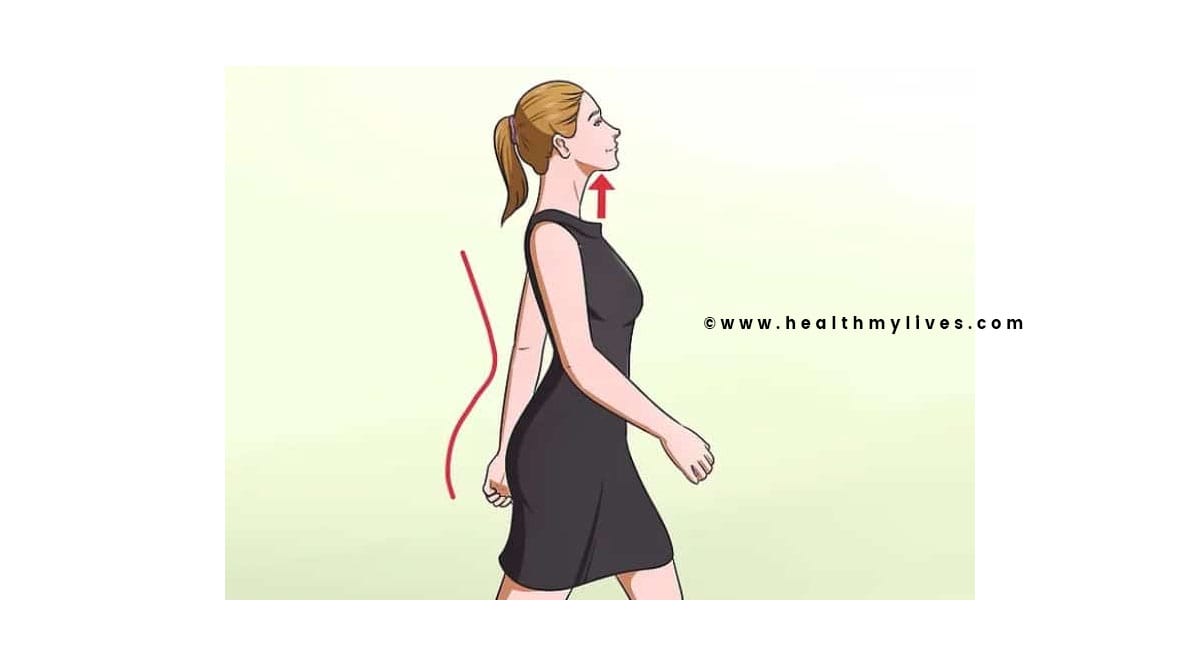
Your posture affects how much strain heels put on your feet, ankles, knees, and back.
Stand tall with your shoulders relaxed and your core lightly engaged. Take shorter steps, landing on the heel first and then rolling through to the ball of the foot.
Avoid leaning forward or pushing your hips back. It takes practice before walking in heels feels natural.
Conclusion
Choosing well-fitting shoes, lower and wider heels, and wearing heels for shorter stretches will spare your feet a lot of pain.
If you get persistent foot pain, a bump at the big toe joint, or toes that start to bend, see a doctor or podiatrist. Health My Lives wishes you a confident and healthy life with your favorite high heels!
Sources
- Bunion treatment, Lancashire and South Cumbria NHS Foundation Trust
- Bunions, NHS